Navigating Healthcare and Pharmacies in Europe
Published in 2026 • By Inphase Editorial Team
Navigating Healthcare and Pharmacies in Europe: A Guide for International Students
When an Indian student falls ill in Europe—whether it's in Germany, France, or the UK—the experience is drastically different from India. You cannot simply walk into a pharmacy and demand antibiotics over the counter, nor can you usually walk directly into a specialist's office. European healthcare is highly regulated, incredibly efficient (if you know the rules), and usually very cheap (or free) for students. As the best education consultant in Chandigarh, Inphase Global explains exactly how to navigate European healthcare systems.
1. The Role of the General Practitioner (GP)
In almost all European countries (especially the UK and Germany), the healthcare system revolves around the General Practitioner (GP) or Hausarzt (Family Doctor).
- Registration is Mandatory: During your very first week of university, you MUST register with a local GP near your apartment. Do not wait until you are sick to do this.
- The Gatekeeper System: If you have a skin issue, you cannot just book an appointment with a dermatologist. You must first see your GP. If the GP determines it is serious, they will issue a "referral" to a specialist. Without a referral from a GP, you will not be seen by a specialist (or your insurance will refuse to pay for it).
2. Pharmacies (The Green Cross)
Pharmacies in Europe (often marked by a glowing Green Cross in countries like France, Italy, and Spain, or an 'A' for Apotheke in Germany) are strictly regulated.
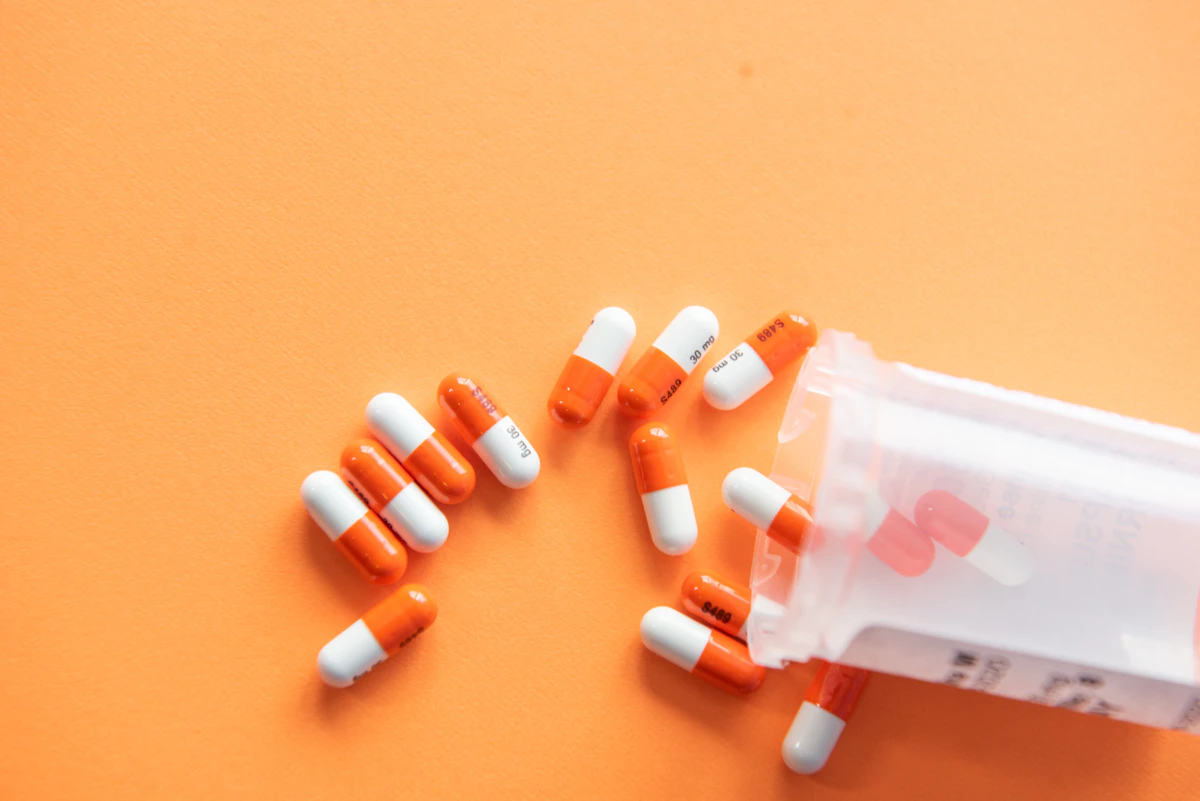
- No Antibiotics Without a Prescription: In India, you can often buy Amoxicillin over the counter. In Europe, it is strictly illegal for a pharmacist to sell you antibiotics, strong painkillers, or asthma inhalers without a doctor's physical or electronic prescription.
- Over-the-Counter (OTC): You can buy basic items like Ibuprofen (Advil), Paracetamol, and cough syrups OTC. However, in many European countries, you cannot buy these at a grocery store or supermarket; they are only sold inside registered pharmacies.
Pro Tip from Inphase Global (The "Emergency Pharmacy" Rule)
In countries like Germany and France, pharmacies do not stay open 24/7. However, by law, there is always an "Emergency Pharmacy" (Notdienst / Pharmacie de Garde) open in your district overnight and on Sundays. The addresses of the currently open emergency pharmacies are always posted on the front door of every closed pharmacy.
3. Health Insurance is Non-Negotiable
You cannot get a student visa for any European country without proving you have health insurance.
- UK (The NHS Surcharge): You pay the Immigration Health Surcharge (IHS) upfront during your visa application. This grants you full, free access to the National Health Service (NHS). Doctor visits and hospital stays are completely free.
- Germany (Public Insurance): If you are under 30, you must enroll in statutory public health insurance (like TK or AOK), which costs about €120 a month. This covers almost everything, including dental checkups. You simply swipe your insurance card at the doctor's office, and you pay nothing.

Travel Safely with the Best Education Consultant in Chandigarh
We ensure our students are fully insured and prepared before they board their flights. As the best education consultant in Chandigarh, Inphase Global assists with securing mandatory European health insurance (like TK in Germany or the NHS surcharge in the UK) as part of your visa process.
Confused About European Visa Requirements?
Health insurance is a mandatory step. Book a free consultation today, and our visa experts will guide you through the exact requirements for Germany, France, or the UK.